This 36-credit program combines flexible online, predominately asynchronous learning
with supervised clinical experience, preparing you to become a Board Certified Behavior
Analyst (BCBA) and New York State Licensed Behavior Analyst (LBA).
You'll apply evidence-based strategies in real-world settings and benefit from expert
faculty committed to ethical, culturally responsive, and neuro-affirming behavior
analysis.
Earn your M.S. in Applied Behavior Analysis online and prepare to support individuals using behavior analysis across school, clinical, and community settings. This flexible program leads to BCBA
and New York State licensure and equips you with the skills to implement evidence-based,
compassionate interventions that make a real difference. Professional Licensure/Certification Disclosure
Empire State University is different. The university not only works with nontraditional
students like me but continues to evolve and grow as an institution to meet learners
where they are at. It provides resources, support, and guidance — all you have to
do is ask.
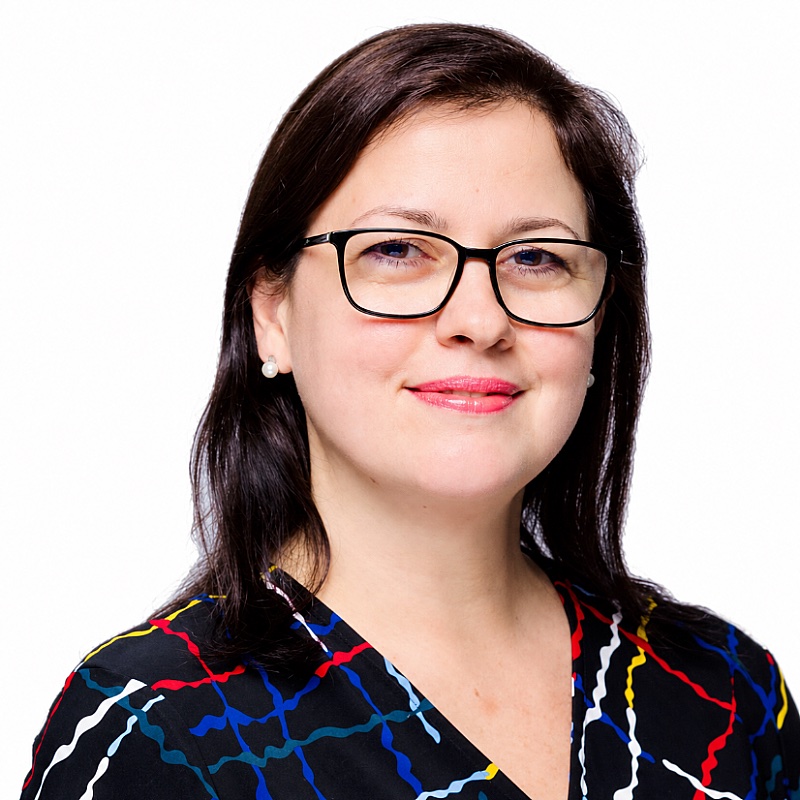
Michele
Applied Behavior Analysis, ‘24
Interested? Start Here
1
Support Positive Change Through Applied Behavior Analysis
We're here to support you every step of the way, making your journey to an M.S. in Applied
Behavior Analysis as smooth and rewarding as possible. Our dedicated advisors will
help you stay on track, build clinical and analytical skills, and move closer to becoming
a licensed behavior analyst ready to make a meaningful impact in the lives of others.
Our experienced faculty bring decades of real-world expertise in applied behavior analysis and clinical practice. They’re here to help you build the skills to assess behavior, design effective interventions,
and applyApplied Behavior Analysis strategies with compassion, so you can support individuals and lead confidently in school, clinical, and community
settings.
Dr. Lauren Lestremau Allen, Dr. Noor Syed, and Dr. Nidal Daou advance culturally responsive
and neurodiversity-affirming approaches to ABA through scholarship, teaching, advocacy,
and community-informed practice. Their work emphasizes dignity, autonomy, assent,
cultural humility, participatory decision-making, and the meaningful inclusion of
Autistic and Neurodivergent perspectives. Collectively, they prepare behavior analysts
to recognize ableism and cultural bias, design individualized and socially valid supports,
and collaborate respectfully with people, families, and communities. Their scholarship
also addresses neuroinclusive higher education, cross-cultural understandings of autism,
equitable access to supports, and systemic change within ABA and related settings.
Interested in the M.S. in Applied Behavior Analysis
Learn more and get started.
Loading...
We use cookies and similar technologies to improve your website experience
and help us understand how you navigate our website. You may disable cookies in your
browser; however, you may not have an optimal user experience. Refer to our Cookie Policy to learn more.